Crawl Space Encapsulation
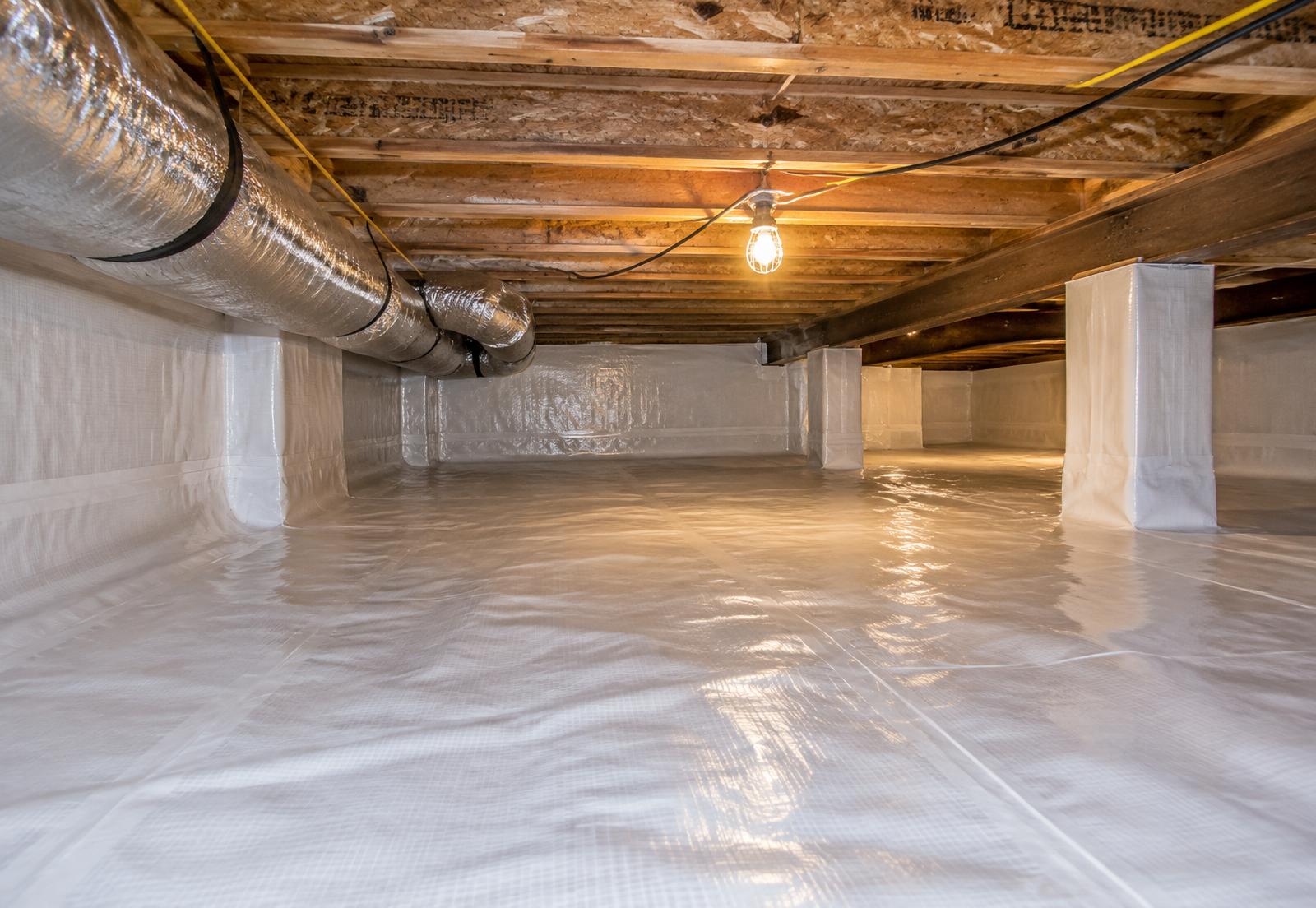
A sealed, conditioned crawl space: heavy liner on the ground and piers, sealed seams and a moisture plan built for Florida humidity.
Crawl Space EncapsulationdetailsLocal Crawl Space & Moisture Specialists
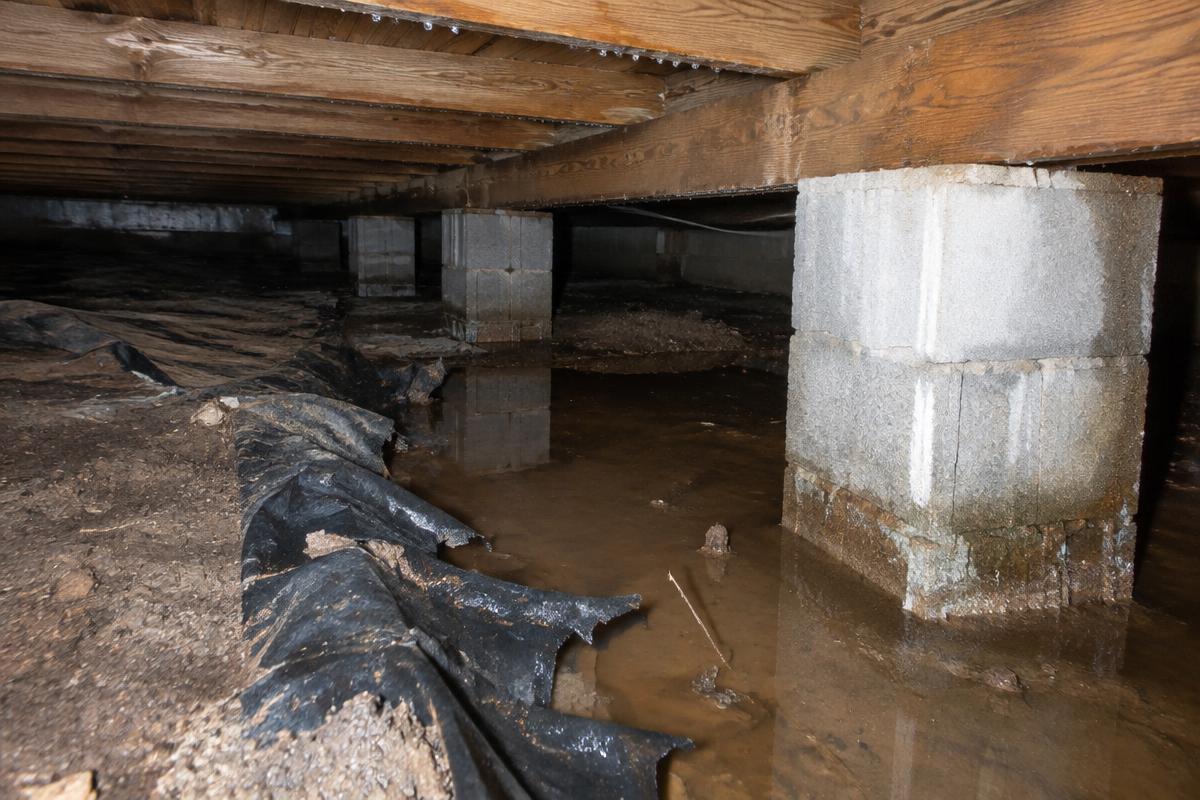
Florida humidity doesn't stop at your foundation vents. Damp soil, standing water after heavy rain, musty odors, failing vapor barriers and high crawl space humidity all point to the same thing: moisture under the house that needs a real plan. We find the source and fix the cause — not just the symptom.
Serving Tallahassee, Killearn, Bradfordville, Woodville, Crawfordville, Havana, Quincy and Monticello.
For much of the year, the outside air here is warmer and far more humid than the space under your floor. Traditional foundation vents were designed to dry a crawl space out with that air. In this climate they often do the opposite — pulling humid air into a cooler space where moisture condenses on wood, ducts and insulation.
Add bare or poorly covered soil and rainfall that has nowhere to go, and you get:
None of this is an emergency for most homes — but it doesn't correct itself either. Knowing what's actually happening under the floor is the first step.
What We Do
A sealed, conditioned crawl space: heavy liner on the ground and piers, sealed seams and a moisture plan built for Florida humidity.
Crawl Space EncapsulationdetailsHeavy ground cover that stops soil moisture from evaporating into the crawl space — installed to cover, overlap and stay put.
Vapor BarriersdetailsFind the actual moisture source — soil, humid air, plumbing or drainage — and address it instead of guessing.
Crawl Space Moisture ControldetailsA properly sized dehumidifier that holds crawl space humidity steady through humid North Florida summers.
Crawl Space DehumidificationdetailsWater under the house has a path in. We find it, interrupt it, and give the water a way out.
Standing Water & Drainage SolutionsdetailsA sealed basin and pump that collect water and move it away from the home instead of letting it sit.
Sump PumpsdetailsClear out old plastic, fallen insulation and debris so the crawl space can be inspected and sealed correctly.
Crawl Space CleanupdetailsA documented look at the conditions under your home, with clear options and no pressure to decide on the spot.
Crawl Space InspectionsdetailsWhy Homeowners Call Us
North Florida humidity, seasonal rainfall and off-grade homes drive different problems than a national playbook assumes.
Crawl spaces and moisture control are what we do, so the recommendation fits what's actually under your floor.
Water, ground moisture, humid air and drainage are handled together instead of one at a time.
You'll hear what needs attention now, what can wait, and what we found that's already fine.
Every plan starts from measurements and observations taken under your home.
Call or text 850-601-9545, or request an inspection online in under a minute.
Simple Process
Call, text or send the form. Tell us what you're noticing under or inside the home.
We measure moisture, check for water and drainage issues, and document existing conditions.
You get a clear explanation of what we found and what each option actually addresses.
Water first, then ground cover, sealing and humidity control — in the order that lasts.
Free Inspection Request
Tell us what you're noticing and we'll take a look. You'll get a clear picture of the conditions under your home and straightforward options — no pressure to decide on the spot.
Tallahassee & North Florida
Tallahassee sits in one of the more humid parts of the country, with a long warm season and heavy rainfall that arrives in bursts. Summer afternoon storms can drop more water on a yard in an hour than the soil can absorb, and much of the region's housing stock is built off grade on piers or shallow footings — homes with a vented crawl space between the ground and the floor.
That combination is the root of most crawl space problems we see. Soil beneath a home rarely dries out completely, so moisture evaporates upward continuously. Outside air that enters the vents carries a great deal of water vapor, and when it contacts cooler framing, ductwork and insulation under the floor, that vapor condenses into liquid water on surfaces that were never meant to stay wet.
Terrain adds another layer. Neighborhoods north of town sit on rolling ground where runoff concentrates along foundations, while flatter areas south of Tallahassee deal with a water table that rises close to the surface after extended rain. Gutters discharging beside a wall, flowerbeds graded toward the house, and crawl space floors lower than the surrounding soil all put water where it shouldn't be.
The practical result for homeowners is a crawl space that stays damp, smells musty and slowly affects the wood and insulation above it. The practical fix is to work in order: control water intrusion, cover the ground, seal the space where the design of the home allows, and then manage the humidity that remains. Which of those steps your home needs — and which it doesn't — is what an inspection determines.
Service Area
Common Questions